
Video Games as a Safe Creative Space
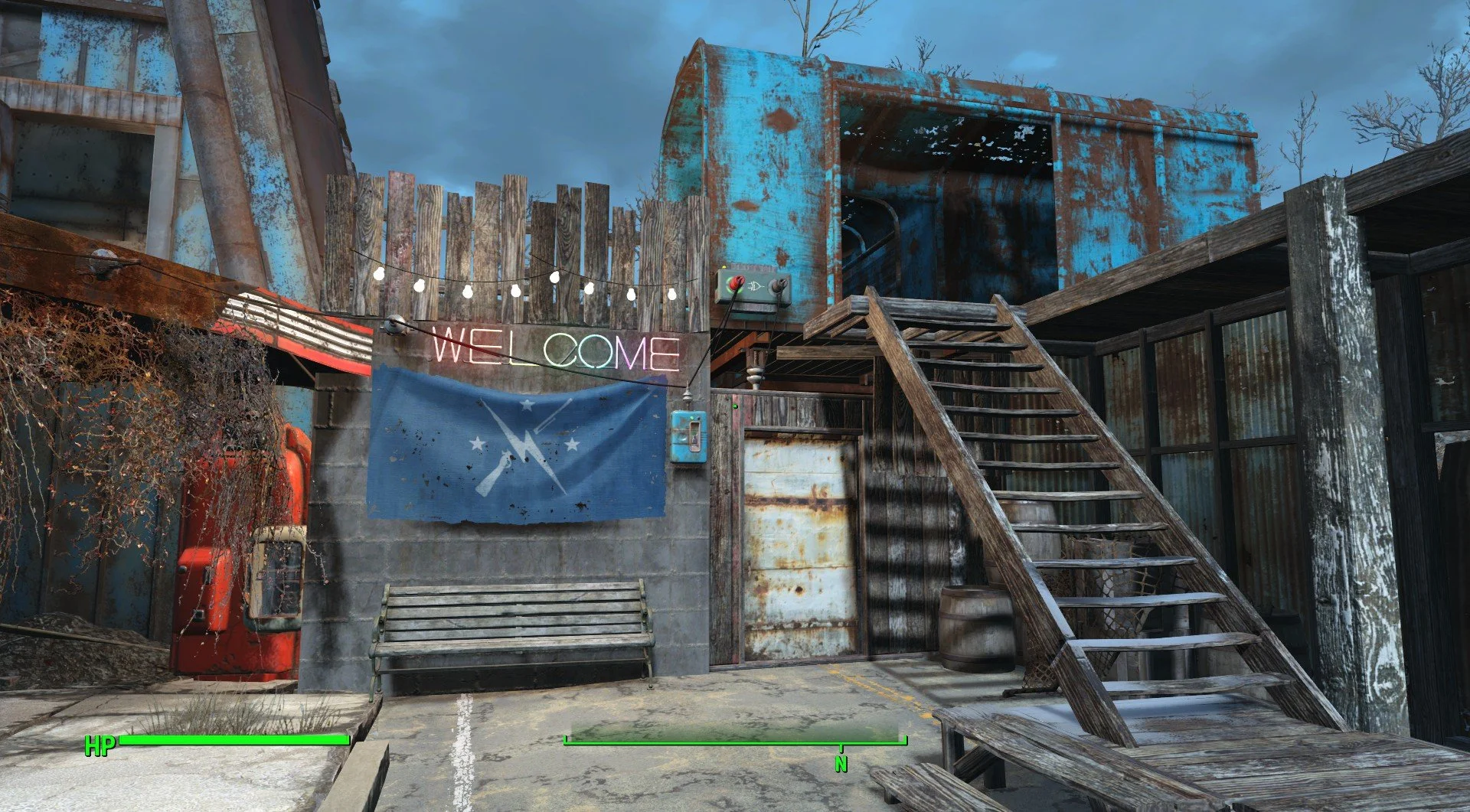
As welcoming as the Wasteland can be.
One day in my mid 30’s, my body started making blood wrong. I’ll spare you the details, but it’s a disease called essential thrombocythemia, and the only way to manage it and make my blood halfway decent (read: not trying to actively kill me) is to take copious amounts of chemotherapy pills for the rest of my life.
As you can imagine, taking copious amounts of chemotherapy pills has its downfalls and complications. Again, I’ll spare the details, but just know I have spent the last three years suffering from a lot of fatigue. Fatigue, for those of you who are not aware, is not the same as being tired or sleepy. Fatigue is more like weakness.
I was not used to feeling weak.
I was used to making 1,500 decisions a day. I was used to plein air painting atop rocky cliffs overlooking the sea. I was used to playing in a band on a stage in front of hundreds of people. I was used to working weeks of 12 hour days building giant bubble-blowing parade floats. I was used to having boundless energy and unfiltered motivation, and not to mention, I was used to having a second source of income via selling my art.
And one day when I was 37 years old I found myself needing to lie on the couch after taking a shower, as it was too tiring.
I still had to teach; I needed my paycheck (and I’ve found some creative ways to cut down on those 1,500 daily decisions). But I stopped going out to paint. I stopped going into the garage. Picking up the guitar and strumming was too much work. All I could do after work was lie down.
Now, I have been a fan of video games since age 6 when I convinced my mom to buy me a Sega Gamegear in exchange for trying a new haircut she thought would look cute (it was a bob and it looked terrible). So luckily, I had something to do other than watch TV and scroll while my body was betraying me. At first, my game of choice was Fallout 4.
Strangely, Fallout 4 is a great game for artists. Other than indulging the fantasy of living in a post-apocalyptic environment and blowing up giant irradiated scorpions, Fallout 4 has a really cool settlement building feature, sort of like The Sims. It’s modular: you can clip together floors, walls, ceilings, then add furniture and decoration. But you can also take advantage of some cool glitches to clip items together to make interesting new creations as well. That’s where I had the most fun (that and putting dresses on the male settlers) because I got to problem solve and use items the way they were not intended. Sound familiar? Yes, I did this a lot on my Youtube channel when I would transform junk into useful items. For a while, this problem-solving creativity itch I had was satiated.
The problem with Fallout 4 is… it’s grungy. The post-apocalypse is fun and interesting, but it is decidedly not pretty. I was getting sick of it, and one day a buddy told me to try Minecraft. It took me a minute to get into it (eventually, the cubist visuals just kind of blend together). But once I realized the potential of this game, I was hooked.
Minecraft is THE game for artists. You can use creative mode and build to your heart’s content, but I personally like to keep it in survival mode to scratch that problem-solving itch. That’s the thing about Minecraft: it’s incredibly versatile. You can build from scratch, you can be inspired by landscapes you come across, you can build pretty things, funny things, useful things. You can engineer moving parts, build machines. You can make quick little builds or you can plan giant builds that take weeks to complete. You can interact with other players and share your creations with them, and go on adventures too. I could go on forever about how much I love this game.
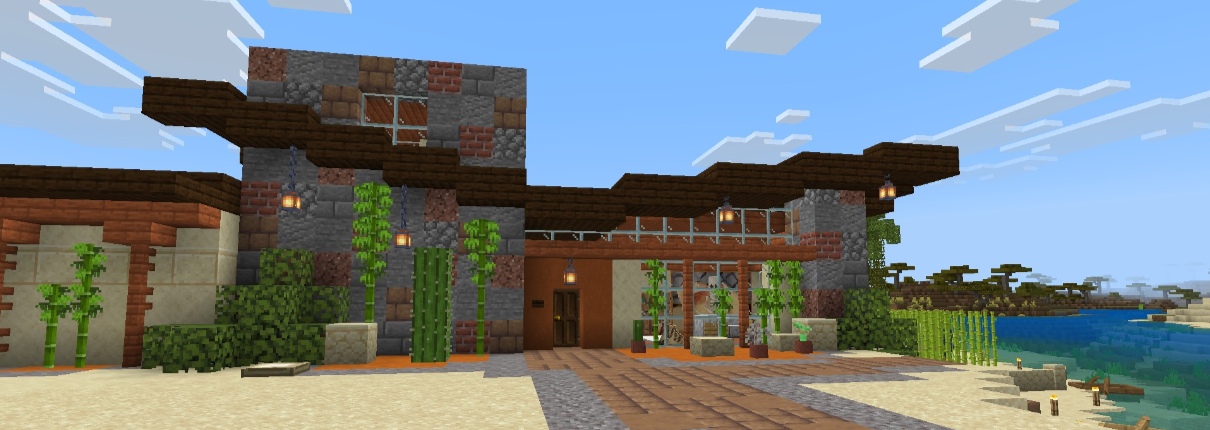
My midcentury modern house in Minecraft.
That’s not what this post is actually about though. I’m still sick, remember? I work, I come home, I play Minecraft, I go to bed. Rinse and repeat. This was all I could do for several years. And somewhere in the back of my head, I felt guilty. I felt like I was being lazy; what if it’s all in my head? Am I really just sitting around playing video games all the time? What if I just have to push through and get up and move my body more? Could I be drinking more water? Could I be trying harder in any way? Will I ever make art again? What about making the extra income? Is this my life forever?
Am I still an artist?
I was in a loop, and it was torture. I didn’t know who I was anymore. Maybe you already see the flaw in my logic, but let me tell you how I eventually broke the loop.
First of all, I had to let go of the old idea that video games = laziness. It’s not only completely untrue, it’s straight-up ableism. I was unable to move my body without suffering consequences. So, I had to spend my time engaging in activities that required little to no movement. And that is OK. Great, that’s the first step of acceptance.
But what about art? Now it’s time to shed the second lie: video games ≠ art. This is also completely untrue. People make digital art all the time. They use many different programs to do it. If that program also happens to be a game, that is OK. Great! Now I thought of Minecraft as a different medium to create art with. Progress in my acceptance.
To address the last concern: money. I am used to having art as a second source of income, and suddenly I didn’t have the energy to make physical art, let alone post it online and market it. OK, I could start a Twitch or Youtube channel, people monetize video games all the time. I considered it. Seriously considered it.
I decided against that path for now, the reason why is rooted in what I believe is the true value of video games. Video games were a place I felt safe when creating. I didn’t feel the pressure I put on myself to make something people wanted to buy. I didn’t ever feel like I was wasting materials. Not feeling those pressures gave me freedom to be more creative. I felt myself blossoming in ways I didn’t know were possible. Silently, I was getting better at problem-solving. Silently, I was getting better at color matching. Silently, I was becoming a better artist. I didn’t want to take that safety away from myself by monetizing my hobby.
And then, deus ex machina! Certain complications from the disease started to get better. I adjusted my dosage, finally got my blood count levels to a place that is sustainable, and slowly, slowly, I started building up strength again. I started playing guitar first. I wrote a few new songs. Then, I finished a set of paintings that had been commissioned. Then, my landlord introduced me to the sheds on the property he told me I could take stuff out of to tinker with. I started going into my garage and using my tools again. That was it. The inspiration was back, and that was the last bit of kick I needed to feel like myself again. Scratch that: I was an even better version of myself. Turns out, all that time I thought I was wasting I was silently honing my skills by playing video games.
I realize not everyone who is chronically ill will be able to feel better. I am privileged to have a moderately manageable disease. I can get back to my favorite mediums (and making money working with them). However, rest assured that if I did still feel fatigued, I would switch gears and begin creating video game content. It would be hard to logic myself out of the stress of monetizing my cozy, safe hobby, but I know I could do it. Hopefully I won’t have to.
I wanted to share this story because if I struggled with guilt over playing video games, other people probably still do. I want to sing the praises of video games not just for chronically ill or disabled people, but for anyone who wants to hone their creative skills in a safe environment.
Video games are not just a lazy hobby, they are a safe medium to practice real-world skills. I will die on this hill (hopefully I saved my game)!
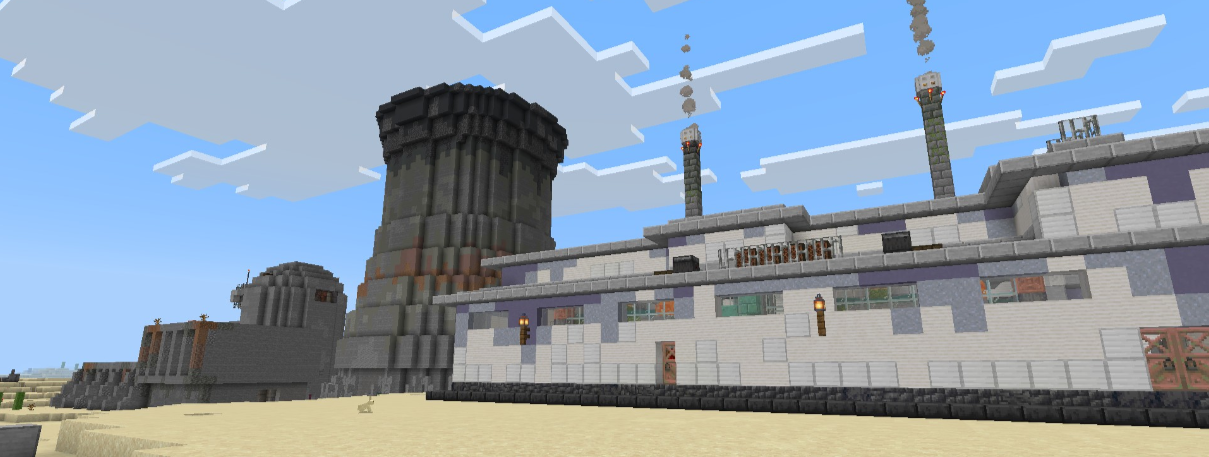
I get to decide every block and if I want to turn my beautiful desert into the radioactive Wasteland, I’m allowed. It’s a safe space!